
Late Summer Is the Time to Plan for a Thicker, Healthier Lawn
If you look out at your lawn right now and feel a little disappointed, you're not alone. By late summer, most lawns in Westfield, NJ have taken a beating. Weeks of heat, drought stress, heavy foot traffic, and the occasional pest problem leave grass looking thin, patchy, and tired. The good news? Late summer is actually the best time to turn things around.
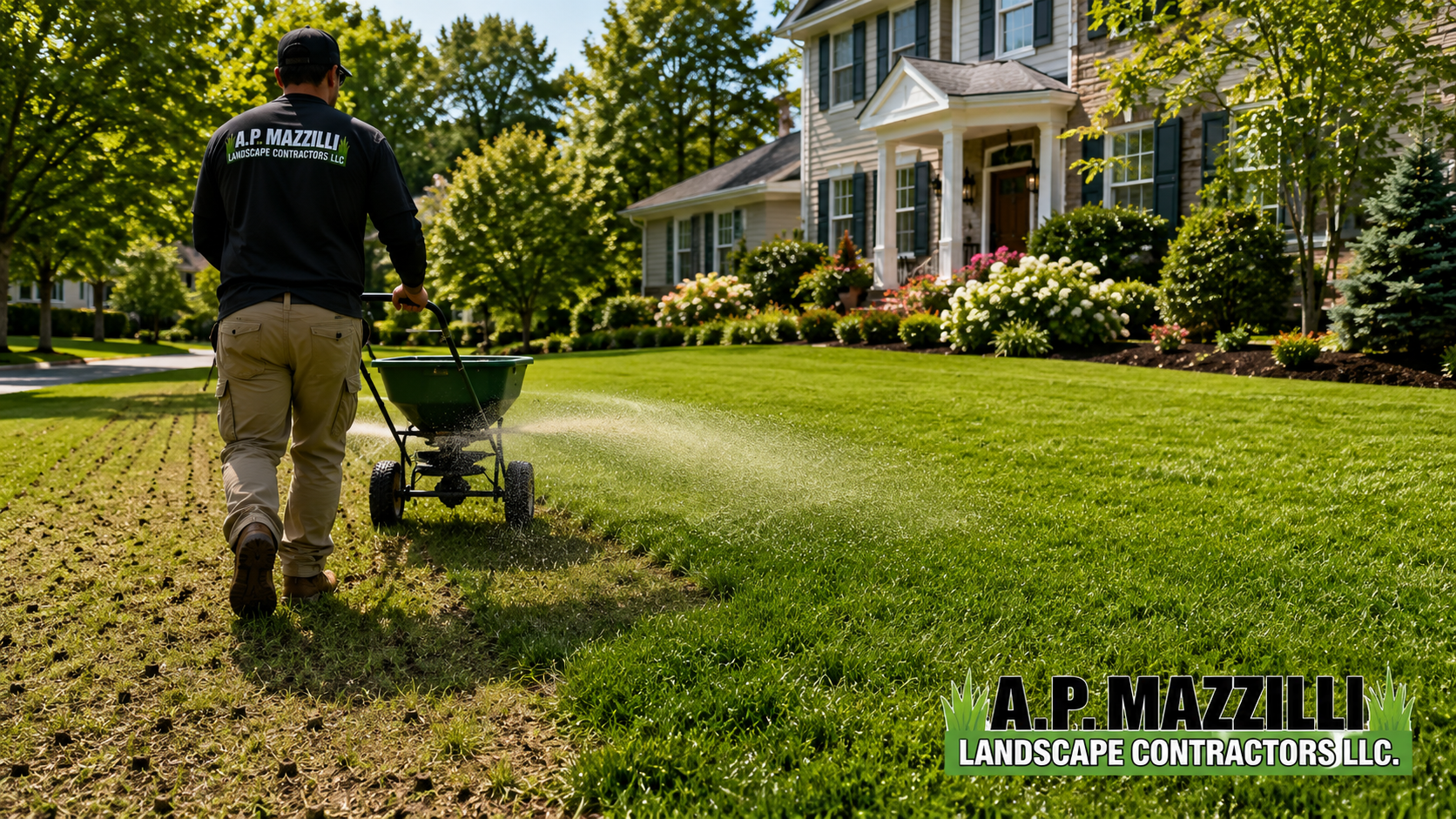
Most homeowners assume spring is the season for lawn improvement, but turf experts consistently point to late summer and early fall as the prime window for renovating cool-season grasses like Kentucky bluegrass, tall fescue, and perennial ryegrass — the most common lawn types found throughout Westfield and Union County. If you're ready to stop wishing for thicker grass and start doing something about it, now is the time to make your move.
---
Why Late Summer Is the Sweet Spot for Lawn Renovation
Timing matters enormously when it comes to lawn care. Grass seed needs the right combination of soil temperature, moisture, and air temperature to germinate successfully and establish strong roots before winter arrives.
In Westfield, NJ, late summer typically runs from mid-August through mid-September. During this window, soil temperatures are still warm from the summer heat — ideal for seed germination — while cooler air temperatures reduce drought stress on young seedlings. Combine that with the typically increased rainfall of early fall, and you have near-perfect conditions for grass to grow.
Here's why late summer beats spring for overseeding and lawn renovation:
**Warm soil temperatures** promote faster, more reliable seed germination
**Cooler air temperatures** reduce evaporation and stress on new grass
**Fewer weed competitors** — summer annual weeds are dying off, giving your new grass less competition
**More time to establish** before the ground freezes in late November or December
**Spring seeding** often fails because summer heat arrives before roots are established
Cool-season grasses seeded in late August or early September in Westfield typically have six to eight weeks to establish before the first frost. That's enough time to build a root system strong enough to survive winter and come back thicker and greener next spring.
---
Understanding Your Lawn's Condition Before You Start
Before you buy a bag of grass seed and start throwing it around, take a walk across your lawn and honestly assess what you're dealing with. A clear-eyed evaluation helps you choose the right approach and avoid wasting time and money.
Identify Thin Areas vs. Bare Spots
There's a difference between a lawn that needs overseeding and one that needs full renovation. If your turf has density of less than 50 percent — meaning bare soil is more visible than grass — you'll likely need a more aggressive approach than simple overseeding.
Look for:
**Thin, sparse areas** where grass is present but sparse and weak
**Bare patches** where soil is fully exposed, often caused by grubs, disease, or heavy traffic
**Compacted zones** near driveways, walkways, and play areas where soil has hardened
**Shaded spots** under trees where grass consistently struggles
Check for Underlying Problems
A thin lawn is often a symptom of a deeper problem. If you overseed without addressing the root cause, you'll get temporary improvement followed by the same frustrating results next year.
Common culprits include:
**Soil compaction** that prevents roots from penetrating deeply
**Low soil pH** that makes nutrients unavailable to grass plants
**Thatch buildup** that blocks water, air, and fertilizer from reaching roots
**Grub damage** from Japanese beetle larvae feeding on root systems
**Fungal disease** that weakens or kills turf
A simple soil test — available through your local county cooperative extension — can tell you your soil's pH and nutrient levels. In Westfield and throughout Union County, soil tests are an inexpensive step that can save you significant money by preventing unnecessary product applications.
---
Step-by-Step: How to Prepare Your Lawn for Late Summer Overseeding
Step 1: Core Aeration
Core aeration is the single most important thing you can do to prepare your lawn for overseeding. An aerator pulls small plugs of soil from the ground, relieving compaction and creating channels for water, air, fertilizer, and seed to penetrate deep into the root zone.
In Westfield, most lawns benefit from annual aeration given the heavy clay content common in Union County soils. Aerate before you overseed so that seeds can fall into the holes and make direct soil contact — dramatically improving germination rates.
Step 2: Dethatch if Necessary
If you have more than half an inch of thatch — that spongy brown layer between the soil and the grass blades — water and seed won't reach the soil effectively. A power dethatcher or vertical mower cuts through the thatch layer and brings it to the surface where it can be raked away.
Be careful not to dethatch aggressively on an already thin lawn, as it can temporarily make the lawn look worse before it looks better.
Step 3: Choose the Right Grass Seed
Seed selection matters. Choose a high-quality seed blend appropriate for your specific lawn conditions — sun, shade, or a mix of both.
For Westfield, NJ lawns, popular options include:
**Tall fescue blends** — drought-tolerant, wear-resistant, and well-suited to New Jersey's climate
**Kentucky bluegrass** — beautiful, dense turf that spreads to fill thin areas over time
**Perennial ryegrass** — fast germination, great for quick repairs
**Sun/shade mixes** — balanced blends for lawns with varying light conditions
Avoid cheap, generic seed mixes that may contain annual ryegrass or weed seed. Spend a little more on a reputable brand with high germination rates and minimal inert matter.
Step 4: Overseed Properly
Use a broadcast spreader or slit seeder to apply seed evenly across the lawn. A slit seeder — which cuts grooves in the soil and drops seed directly into them — delivers superior seed-to-soil contact and significantly better germination rates than surface broadcasting alone.
Apply seed at the rate recommended on the package. More seed doesn't always mean better results — overcrowding can actually inhibit germination.
Step 5: Apply a Starter Fertilizer
After seeding, apply a starter fertilizer formulated for new grass. Starter fertilizers are high in phosphorus, which promotes strong root development in young seedlings.
Do not apply a weed-and-feed product or pre-emergent herbicide after overseeding — these products will prevent your grass seed from germinating.
Step 6: Water Consistently
Watering is where many homeowners fall short. New grass seed must stay consistently moist until germination — typically seven to twenty-one days depending on the species.
Water lightly two to three times daily to keep the seed bed moist without washing seed away or creating puddles. Once seedlings are visible and growing, gradually transition to deeper, less frequent watering to encourage root development.
---
Late Summer Lawn Care Beyond Overseeding
Overseeding is the headline act, but a complete late-summer lawn plan includes several supporting practices.
Fall Fertilization
Grass plants shift their energy in fall from upward blade growth to root development and carbohydrate storage. A well-timed fall fertilizer application — typically in September and again in November — feeds this process and helps grass enter winter in peak condition.
Look for a fertilizer with a higher potassium content in fall, as potassium strengthens cell walls and improves cold hardiness.
Weed Control
Late summer is an excellent time to tackle perennial weeds like dandelions and clover. These plants are actively moving energy to their roots in fall, making them more susceptible to herbicide treatment. Broadleaf herbicides applied in early fall are often more effective than spring applications.
If you've overseeded, wait until your new grass has been mowed at least two to three times before applying any herbicide.
Mowing Adjustments
As you transition into fall, gradually raise your mowing height. Taller grass blades shade the soil, retain more moisture, and develop deeper root systems. For most cool-season grasses in Westfield, a mowing height of three to four inches is ideal going into fall.
Never remove more than one-third of the blade length in a single mowing — this stresses the plant and can set back your lawn improvement efforts.
---
Frequently Asked Questions About Late Summer Lawn Care in Westfield, NJ
When is the best time to overseed a lawn in Westfield, NJ?
The best time to overseed cool-season lawns in Westfield, NJ is between mid-August and mid-September. During this period, soil temperatures remain warm enough for reliable seed germination while cooling air temperatures reduce stress on young seedlings. Seeding during this window gives new grass six to eight weeks to establish before the first hard frost, which typically arrives in Westfield around mid-November.
How do I know if my lawn needs overseeding or full renovation?
If your lawn has more than 50 percent coverage of desirable grass, overseeding is usually sufficient. If bare soil is more visible than grass, or if the lawn is dominated by weeds, a full renovation — which involves killing existing vegetation and starting fresh — may be necessary. A lawn care professional can assess your specific situation and recommend the most cost-effective approach.
Can I overseed without aerating first?
You can, but your results will be significantly less impressive. Core aeration improves seed-to-soil contact, relieves compaction, and creates ideal channels for seed to reach the root zone. In Westfield, where clay-heavy soil is common, skipping aeration means a large percentage of your seed will never germinate because it can't penetrate the hard soil surface. Aerating before overseeding dramatically improves germination rates and long-term results.
What type of grass seed is best for lawns in Westfield, NJ?
For full-sun areas, tall fescue and Kentucky bluegrass blends perform exceptionally well in Westfield's climate. For shaded areas under trees, fine fescue varieties — including creeping red fescue and chewings fescue — are your best options. For mixed light conditions, look for a quality sun/shade blend containing a combination of these species. Avoid cheap seed mixes that contain annual ryegrass, which only lasts one season.
How long does it take for grass seed to germinate in New Jersey?
Germination time varies by grass species. Perennial ryegrass germinates fastest, typically in seven to ten days. Tall fescue takes ten to fourteen days, while Kentucky bluegrass is the slowest at fourteen to twenty-one days. Soil temperature, moisture consistency, and seed quality all influence germination speed. Keeping the seed bed consistently moist during the germination period is critical.
Should I fertilize when overseeding in late summer?
Yes. Applying a starter fertilizer at the time of seeding is strongly recommended. Starter fertilizers are high in phosphorus, which supports root development in new seedlings. Follow up with a full lawn fertilizer application in late September or October to feed both new and established grass as it prepares for winter. Avoid high-nitrogen fertilizers in late fall, as they can push tender new growth that may be damaged by frost.
How often should I water after overseeding?
For the first two to three weeks after seeding, water lightly two to three times daily — typically five to ten minutes per zone — to keep the seed bed consistently moist. Avoid heavy watering that pools or washes away seed. Once seedlings emerge and reach about one inch in height, reduce watering frequency but increase duration to encourage deeper root growth. By the time new grass has been mowed two or three times, you can transition to a regular deep