
The Westfield Homeowner's Landscaping Calendar: Month-by-Month Tasks
Keeping your Westfield yard looking its best isn't about doing everything at once — it's about doing the right things at the right time. Westfield, New Jersey's climate brings warm, humid summers, cold winters, and everything in between. Following a seasonal landscaping calendar tailored to this region helps your lawn, garden beds, and trees thrive all year long.
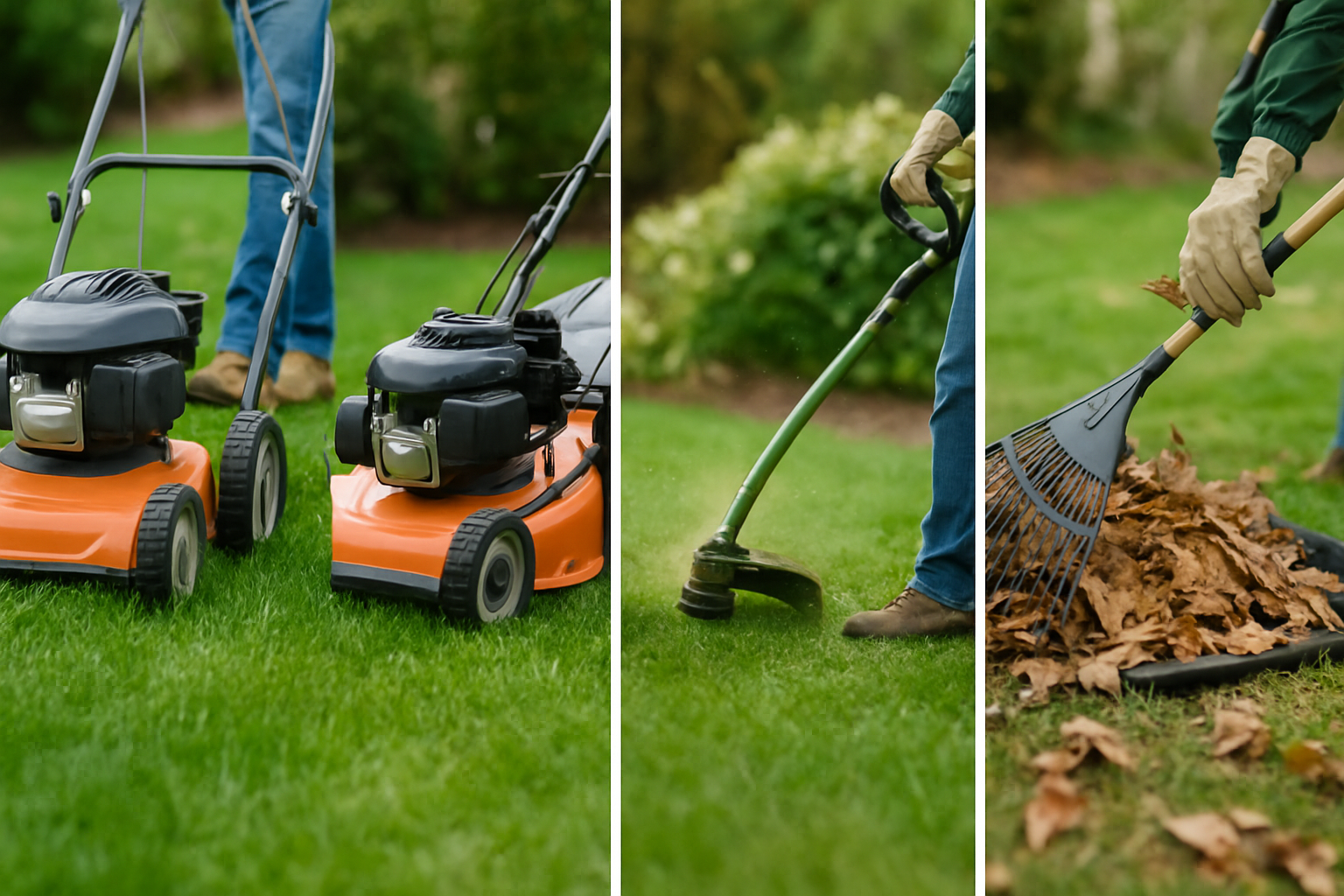
Here's exactly what to do, month by month.
---
January: Rest, Plan, and Prepare
January in Westfield is quiet for outdoor work, but it's the perfect time to plan ahead.
Review last year's garden successes and failures
Browse seed catalogs and order seeds for spring planting
Sketch out any new garden bed designs or landscaping changes
Check and sharpen lawn tools, clean out spreaders, and oil equipment
Inspect your irrigation system for any damage caused by freezing temperatures
Avoid walking on frozen or frost-covered grass — it damages the blades and compacts the soil beneath.
---
February: Early Prep Work Begins
Late February in Westfield can tease you with warm days, but don't rush the season.
Prune dormant trees and shrubs before buds break
Cut back ornamental grasses to about 4–6 inches above the ground
Start cool-season vegetable seeds indoors (broccoli, cabbage, lettuce)
Check mulch layers around trees and shrubs — replenish if needed
Clear any winter debris from garden beds
Keep an eye on the extended forecast. Westfield's late-season frost dates typically fall in mid-April, so hold off on anything frost-sensitive.
---
March: Wake Up the Yard
March is when your Westfield landscape starts coming back to life, and there's plenty to do.
Apply a pre-emergent herbicide to lawns before soil temperatures hit 50°F — this prevents crabgrass
Rake away leaves and debris that have matted down over winter
Test your soil's pH and nutrient levels — your local Rutgers Cooperative Extension can help
Divide and transplant summer-blooming perennials
Start mowing as soon as the grass begins actively growing (keep the blade high)
This is also a great month to inspect your landscape for any winter damage to fences, hardscaping, or edging.
---
April: Spring Planting Season
April is one of the busiest months for Westfield homeowners who love their yards.
Plant cool-season annuals like pansies, snapdragons, and dianthus
Overseed thin or bare lawn areas with a quality fescue blend suited to New Jersey's climate
Apply a slow-release spring fertilizer to your lawn
Edge garden beds for a clean, polished look
Transplant seedlings started indoors once nighttime temperatures stay above 40°F
April showers do the heavy lifting in Westfield — take advantage of natural rainfall to help newly planted areas establish roots.
---
May: Full Speed Ahead
May is showtime for Westfield landscapes. Warmer temperatures mean rapid growth everywhere.
Plant warm-season annuals and perennials after the last frost (typically mid-May)
Install summer-blooming bulbs like dahlias, cannas, and gladiolus
Begin a regular mowing schedule, keeping cool-season grasses at 3–4 inches
Set up or inspect drip irrigation systems before the heat arrives
Mulch garden beds with 2–3 inches of organic mulch to retain moisture
This is also a good time to address any pest or disease issues early before they spread.
---
June: Manage Growth and Watch for Pests
June brings heat, humidity, and fast-growing lawns — classic New Jersey conditions.
Water your lawn deeply and infrequently (about 1 inch per week)
Watch for grubs, aphids, and other common New Jersey lawn pests
Deadhead spent flowers on annuals and perennials to encourage new blooms
Trim hedges and shrubs as needed for shape
Check for signs of fungal disease on grass — brown patch is common in humid Westfield summers
Avoid fertilizing cool-season lawns in June — this time of year stresses them further.
---
July: Beat the Heat
July in Westfield is hot and dry. Your goal this month is to keep your landscape alive and healthy.
Water deeply in the early morning to reduce evaporation and fungal risk
Raise your mower blade to 4 inches — longer grass shades roots and retains moisture
Hold off on heavy pruning, which can stress heat-weakened plants
Harvest vegetables regularly to keep plants productive
Add water features or shade plants to problem areas that dry out quickly
If your lawn turns brown and goes dormant during a heat wave, don't panic — healthy grass will recover when temperatures cool and rain returns.
---
August: Prepare for the Fall Transition
Late August marks the beginning of the shift toward cooler weather.
Apply grub control treatments if you saw beetle activity earlier in the season
Begin planning your fall overseeding and aeration schedule
Trim back perennials that have finished blooming
Plant late-summer vegetables like kale, spinach, and radishes for a fall harvest
Continue consistent watering through heat and drought periods
Westfield's late summer can still be quite dry, so don't abandon your watering routine too soon.
---
September: The Most Important Lawn Month
September is arguably the single most important month for Westfield lawns. Cool temperatures and reliable rainfall create ideal conditions for grass recovery and growth.
Aerate your lawn to relieve soil compaction and improve drainage
Overseed bare or thin areas with a tall fescue or bluegrass blend
Apply a fall lawn fertilizer to strengthen roots before winter
Plant spring-blooming bulbs like tulips, daffodils, and hyacinths
Begin planting trees, shrubs, and perennials — fall is excellent for root establishment
September lawn care sets the foundation for how your yard will look next spring. Don't skip it.
---
October: Clean Up and Winterize
October is all about setting your landscape up for a healthy winter rest.
Rake and compost fallen leaves — or mulch them directly into the lawn with your mower
Cut back perennials but leave some seed heads for overwintering birds
Dig up and store tender bulbs like dahlias and cannas before the first hard frost
Drain and store garden hoses and shut off outdoor irrigation systems
Apply a final round of fertilizer to your lawn before the ground freezes
Westfield's first frost typically arrives in late October, so use this month wisely.
---
November: Final Preparations Before Frost
November wraps up the outdoor season for most Westfield homeowners.
Finish planting spring bulbs before the ground hardens
Protect young trees and shrubs with burlap wrapping if they're vulnerable to wind or deer browse
Apply a fresh layer of mulch around the base of trees and shrubs for winter insulation
Clean and properly store all lawn and garden equipment
Spray anti-desiccant on broadleaf evergreens like hollies and rhododendrons
Take a final walk around your property to note anything that needs attention come spring.
---
December: Rest and Reflect
December is the quietest month in the Westfield landscape, and that's perfectly fine.
Keep foot traffic off frozen lawns to avoid damage
Monitor trees and large shrubs after heavy snow or ice storms — brush off heavy snow loads gently
Check stored bulbs for rot or dehydration
Review your landscaping budget and plan for any major projects next year
Order seed catalogs and dream about spring
A well-rested landscape is a resilient one. Use December to recharge before the cycle begins again in January.
---
A Note on Westfield's Specific Growing Conditions
Westfield sits in USDA Hardiness Zone 6b, which means cold winters with temperatures occasionally dipping to -5°F and hot, humid summers. Most of the area has clay-heavy soils that benefit from regular aeration and organic matter additions.
Key factors to keep in mind for Westfield landscaping:
**Last spring frost:** Mid-April
**First fall frost:** Late October
**Annual rainfall:** Approximately 47 inches, fairly evenly distributed
**Common lawn grasses:** Tall fescue, Kentucky bluegrass, and fine fescues
**Common pests:** Japanese beetles, grubs, aphids, and spotted lanternflies
Working with your local climate rather than against it makes every task on this calendar more effective — and your landscape more beautiful, season after season.